
COOKING WITH CATHERINE: MARCH
This month our food editor, Catherine Hill, celebrates the versatility of pasta, shares great techniques to make the flavour of your food sing, as well as great supermarket buys and kitchen must-have
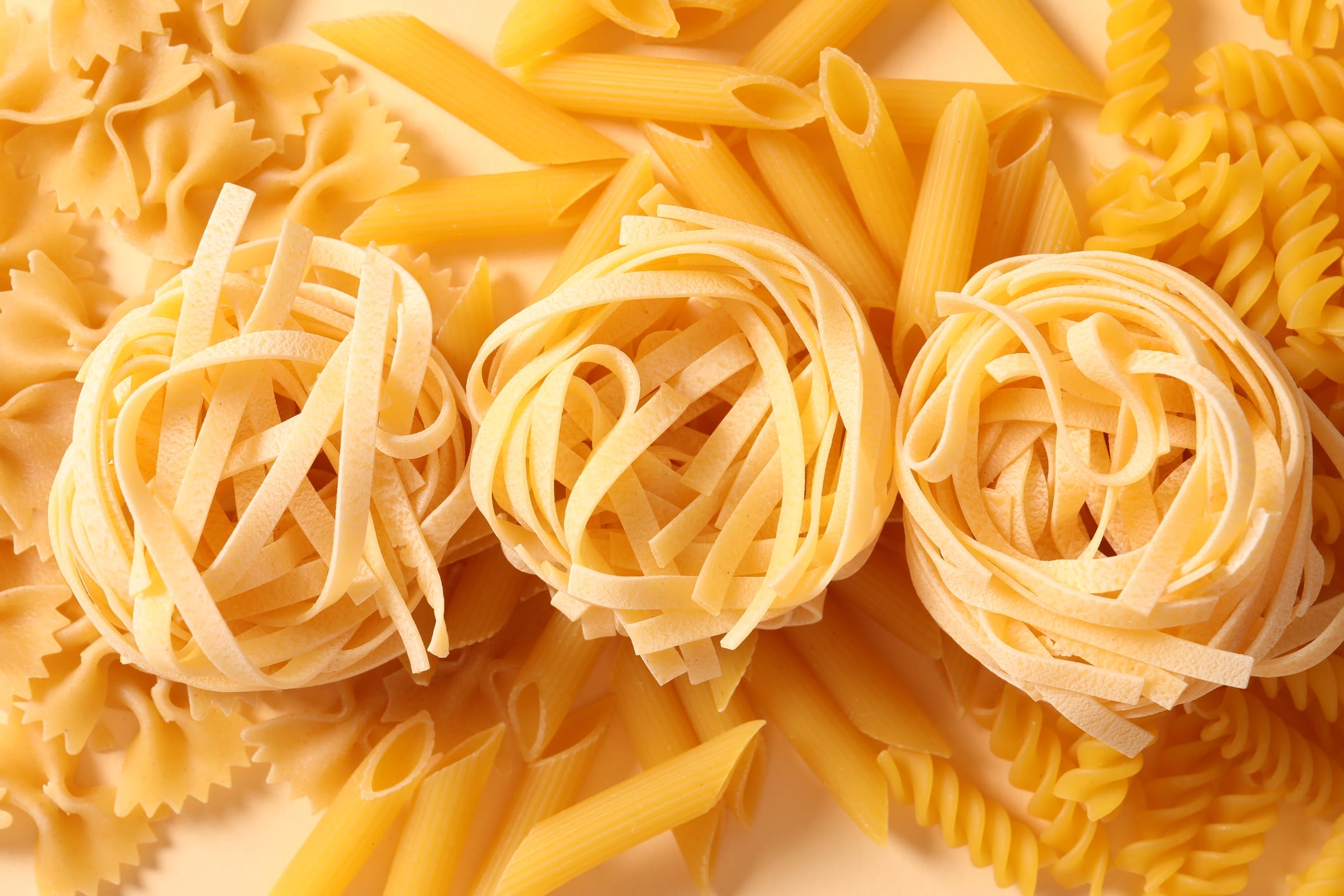
Pasta has always been my default dinner. The sheer speed at which you can get supper on the table plus the endless partnerships of sauces and pasta shapes means that I don’t think I could ever tire of it.
I rarely buy fresh pasta because I find that the lovely chewy texture of perfectly cooked dried pasta is hard to beat. For general use, and when I’m just dashing round the supermarket, I find own-brand pasta is perfectly fine, but if I ever see De Cecco pasta on offer (and it frequently is) I tend to stock up, as its just so good. Made from 100 per cent durum wheat and pressed through dies into a myriad different shapes. This produces a rough finish to the pasta that really does make all the difference, as it enables the pasta to absorb sauces and flavours more readily.
When it comes to matching shapes and sauces, I think it’s good to experiment. Shells are great for holding on to rich ragùs. Penne does a superb job of this, too, as well as mingling perfectly with similar-sized roast vegetables and beans.
I love spaghetti and linguine served with light, silky sauces such as our carbonara, simple sauces of oil, lemon and hebs as well as light seafood and shellfish dishes.
SPOTLIGHT ON… COOKING PASTA
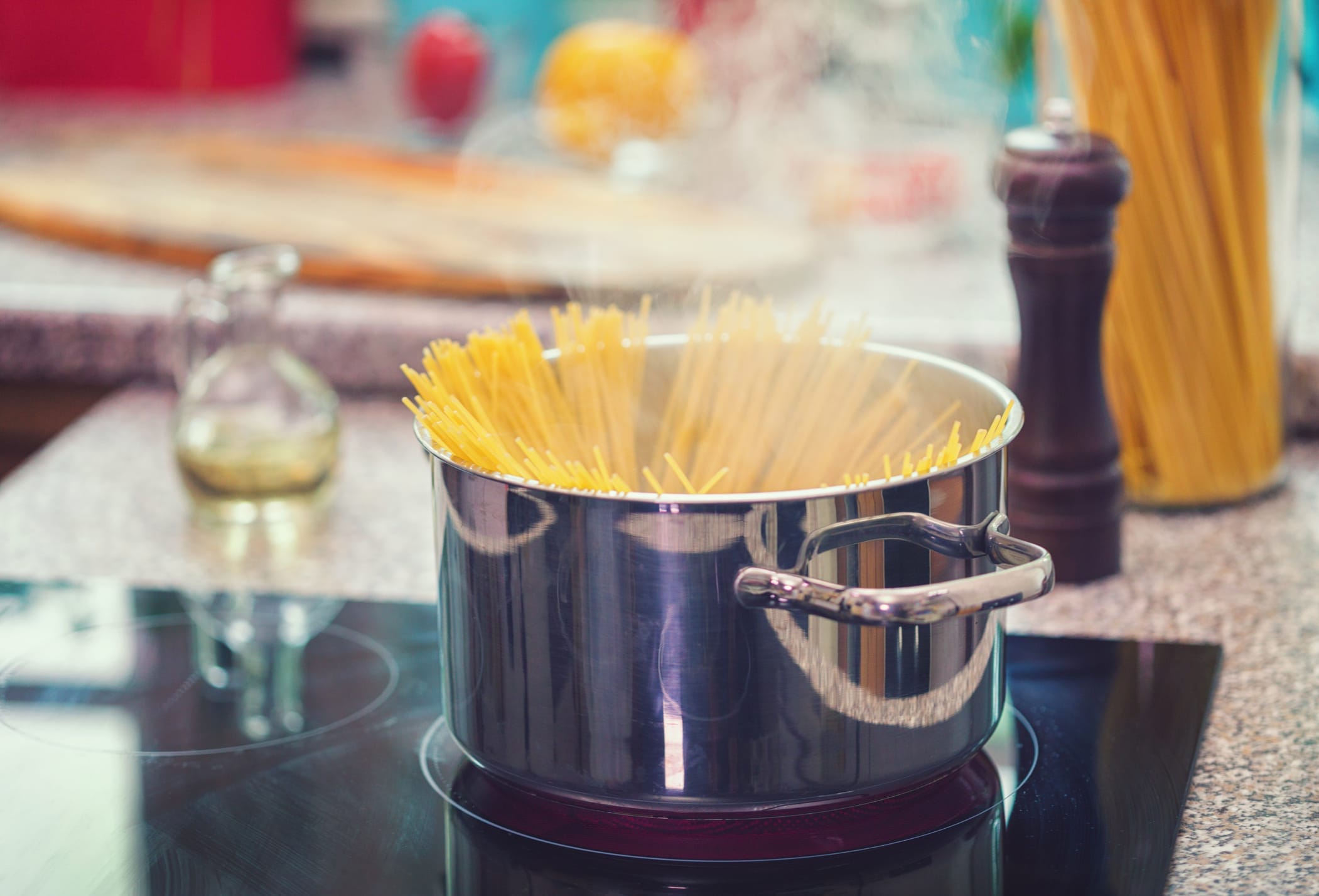
It’s something most of us do on autopilot but how many of us are cooking and serving pasta as it really should be? One of the most common mistakes is not cooking it in enough water. For four people, I always used 400g of dried pasta and that means around two-and-half litres of boiling water – enough to give the pasta plenty of room, but not too much, so that the cooking liquid retains a good amount of starch in it should you need to add any to your sauce. Pasta on its own is a very bland ingredient so I always salt the water once it’s at a rolling boil. About 2 tsp should do it. Pasta water is a valuable commodity – it contains lots of starch, which is great for adding to your sauce once you’ve stirred your pasta through it. Pasta sucks up the moisture, so an extra splash of this liquid gold will ensure your pasta is silky smooth and moving around luxuriously in its sauce. The easiest way to utilise it is to scoop a mugful out before draining your pasta. Always serve pasta on warmed crockery and, as a general rule, combine your sauce and pasta before serving to allow the flavours and textures to mingle and work together.
OFF THE SHELF

This month I tried a new range of healthy ready meals from the Co-op. Their Good Fuel range is high protein, fibre-rich meals with plenty of veg and have fewer calories than average ready meals.
They’re perfect for anyone with a smaller appetite. Their Roasted Butternut and Spiced Beans and Grains was delicious – full of flavour and also ideal for a light lunch. Their Chicken and Courgette Pasta Alfredo was so lovely, with a white wine sauce, fresh veg, beans and wholewheat pasta.
£3.50 for 250g

For bigger appetites, Piri Piri Chicken (380g) was a wonderfully spicy dish with brown rice, fresh broccoli, shredded carrots and red quinoa. Or why not try their Meatball Pasta (400g) – pork meatballs in a tomato and lentil ragu with pasta and fresh spinach – delicious!
Both £4.25

SMALL THINGS: SAUTÉED ONIONS
Sautéed onions form the base of so many dishes – whether it’s Italian sauces, delicious curries or flavour-packed stews, cooking the onions off properly will dictate just how fabulous the end dish will be. Using enough oil or butter a d going low and slow will ensure the onions go from harsh and firm to soft, unctuous and absolutely full of flavour. It’s easy to forget how long this process takes, but I wouldn’t consider anything les than 15 minutes for a tomato sauce – the acidity of the tomatoes prevents the onions softening any further once added so you do need to make sure they’re super soft and golden before adding – and up to 30 minutes for a wonderfully rich curry. It’s just one small change that really will make all the difference!
NEW KITCHEN-MUST HAVE
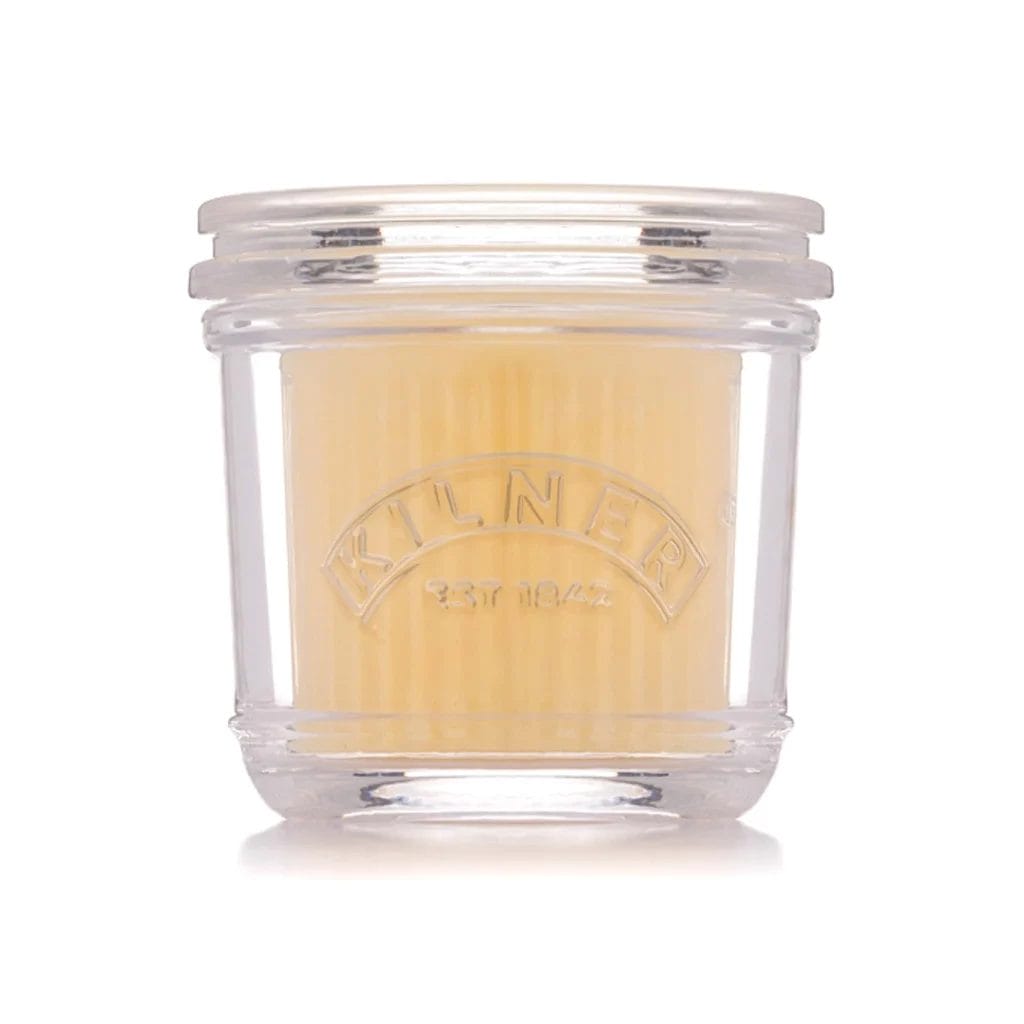
Kilner’s new Butter Crock is a must-have if you’re a butter lover! This sturdy glass jar keeps butter fresh and spreadable without storing it in the fridge. To use, pack your butter into what is essentially the lid and then pour about 5cm of cold water into the jar. Inverting the butter into the water jar creates a seal that acts as a barrier to oxygen – the main cause of butter going rancid. The water helps to regulate the temperature, resulting in a lovely spreading consistency. Guess what? It looks fabulous too!
£12.99 from lakeland.co.uk
DISCOVER MORE RECIPES

LOVE OUR RECIPES?
Why not become a member and receive a copy of Candis each month
BECOME A MEMBER