
STAY SAFE FROM SCAMS
Scott has more top tips to protect yourself from falling victim to some of the most common scams
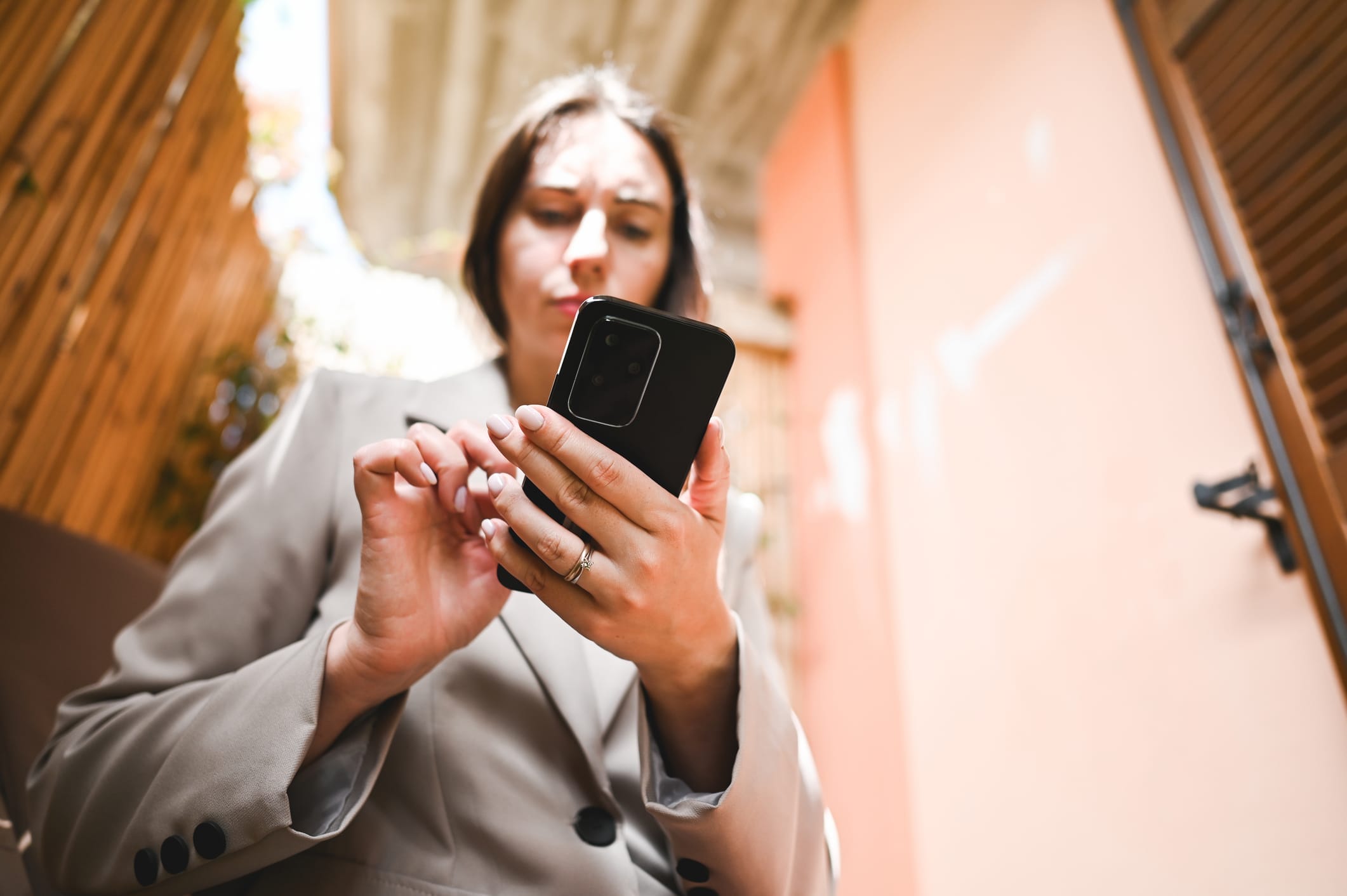
How to protect yourself from scams
- Always use official websites when buying goods
- Never disclose personal details. Your bank will never ask you for your debit card PIN, password or online banking login details.
- Pause – don’t panic. Only scammers imply urgency.
- Ask yourself, could this be fake?
- Verify independently – don’t click links or ‘unsubscribe’
- Never share One Time Passcodes (OTPs) or login details
- Report scams to Action Fraud – actionfraud.police.uk or call 0300 123 2040
- Check if your email account has been breached at haveibeenpwned.com
- Be sceptical – if it sounds too good to be true, it probably is
- Talk to trusted friends and family if you think you might have been scammed
- Use official resources: Moneyhelper, Pension Wise, FCA register, Royal Mail scam page or go to takefive-stopfraud.org.uk/protect-yourself/
How a simple coincidence can catch anyone out
We can also fall for what psychologists’ call ‘illusory correlation’ – a tendency to believe a connection between two things that doesn’t exist. Scammers know this and trade on coincidence.
I was caught out by this. In early December 2019, I received a text saying my credit card details needed renewing on my PayPal account. It arrived just at the point where my credit card really had expired. I was about to head into the office, so I clicked the link which sent me to a ‘PayPal website’. I then filled in my card details. I didn’t give it a second thought.
Two weeks later, at 10pm on Christmas Eve, I was in a bar in Spain when a text from my bank said my account was overdrawn. I was shocked. The last time I checked, there was £2,500 in my account. When I logged on, I saw hundreds of small transactions – about £9.50 each – paid to an e-commerce business in Malaysia. I panicked. How easy would it be to contact my bank at 10 o’clock on Christmas Eve?
The scammers no doubt had this in mind. I finally got through to my bank, which cancelled my card and reversed the fraudulent transactions. I felt reassured, but when I checked my account again on 27 December another £720 had gone to the same recipients. My bank had not cancelled the ‘pending transactions’ before cancelling my card.
I eventually had my money refunded when I returned home, but my holiday had been spoilt. The bank gave me £50 as a goodwill gesture for what they acknowledged was a ‘service failure.’
Protect your phone from scammers
Smartphones are a prime target for fraudsters, but a few simple steps can help protect you from being scammed.
- Turn on anti-theft features
Use built-in options to lock and locate your phone if it’s lost or stolen.
2. Use strong, unique passwords
Protect banking apps, digital wallets and email accounts with strong, separate passwords or two-factor authentication.
3. Limit sensitive data
Don’t store sensitive information on your phone unless it’s protected by an extra password or authentication.
4. Hide important apps
Many phones let you conceal banking and wallet apps to make them less visible to thieves.
5. Use complex passwords instead of PINs
Longer passwords combining letters, numbers and symbols are harder to guess or shoulder-surf in public.
WOULD YOU LIKE TO ENTER OUR COMPETITIONS?
Giveaways are only available to our Candis members so why not join today!
BECOME A MEMBER