
COASTAL BLISS
The beaches on the Pembrokeshire coast are certainly dreamy, but there’s so much more to be found in this uniquely diverse national park, says Tristan Parker
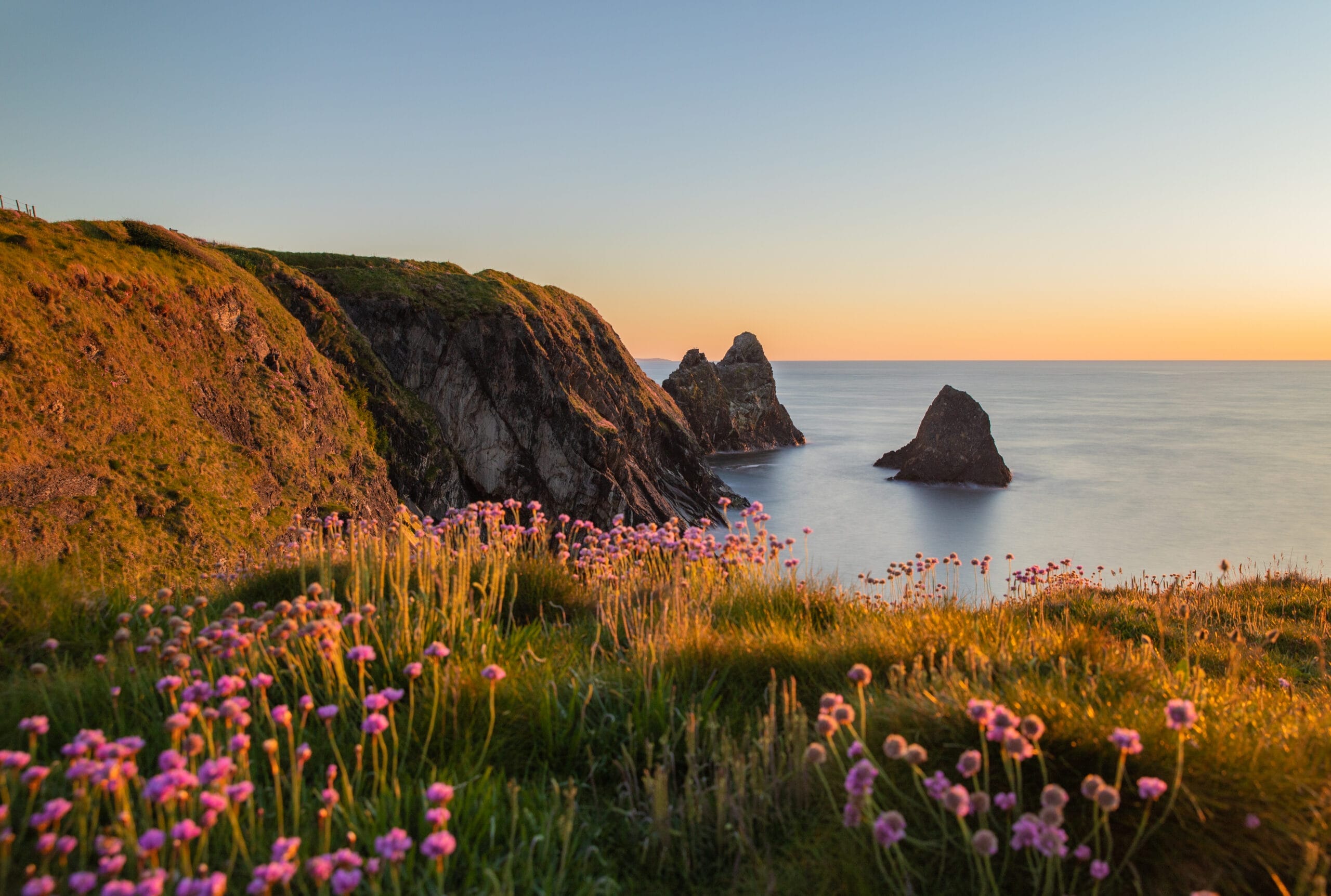
The Pembrokeshire Coast National Park is one of the UK’s smallest national parks, spanning a ‘mere’ 240sq miles. It gained its status primarily through the significance of its coastline, which is a giveaway as to just how spectacular that coast is. Dramatic limestone cliffs rise and fall at every opportunity, paradisical beaches and bays appear from nowhere and endless rich carpets of flora frame the area in unexpectedly colourful fashion.
This coast regularly finds its way into various ‘Best of’ lists in glossy travel and style publications. This is an area with unarguable star quality, but one that still feels grounded, freely explorable andaccessible. It’s a haven of outdoorsy adventures, whether watersports, hiking sections of the celebrated Pembrokeshire Coast Path National Trail, or simply settling into a scenic spot to glimpse some of the region’s fascinating wildlife.
Outside of natural wonders, the coast also holds its own when it comes to historical sightseeing, offering 1,234 listed buildings and more than 280 scheduled monuments (which enjoy a similarly protected status as listed buildings). Add to that a fine selection of cosy coastal towns and villages to relax in – plus the smallest city in Britain – and you’ve got a holiday location that never fails to wow.
4 MUST-DOS

Wildlife watching
Much of the area’s wildlife can – with patience and seasonal know-how – be spotted. As you explore, look up to the skies to see all manner of birdlife (including rare species), such as stonechats, gannets, cormorants and kittiwakes, while bats swoop through the air as dusk settles. Glance down to the sea for potential viewings of marine life, including dolphins, porpoises, grey seals (autumn is the best time to spot them) and puffins, although you might also see puffins in the sky, too. If you’re lucky, you might glimpse whales, basking sharks or perhaps even leatherback turtles, which is a little like winning the wildlife lottery.

Pembrokeshire Coast Path
The best way to get your head around the full splendour of Pembrokeshire’s wild, snaking coastline is to observe its transformation from this colossal walking route. Opened in 1970, the path traces 186 miles between Amroth in the south and St Dogmaels in the north. But as well as offering incredibly varied scenery, flora and wildlife, the path also acts as a window to past civilisations: Neolithic tombs – known as cromlechs – Iron Age forts and centuries-old churches are scattered throughout, adding yet another dimension to the first designated National Trail in Wales.

Star gazing
An open, westerly location and low levels of light pollution make Pembrokeshire a fantastic place to see the night sky in all its star-strewn glory, demonstrated by its Dark Sky Discovery Sites – a whopping eight, including Newgale Beach, Poppit Sands Beach and Skrinkle Haven Beach, all firmly on the Coast Path route. Wrap up warm, bring some binoculars if you have them and try to plan your gazing around a full moon to maximise lighting conditions.
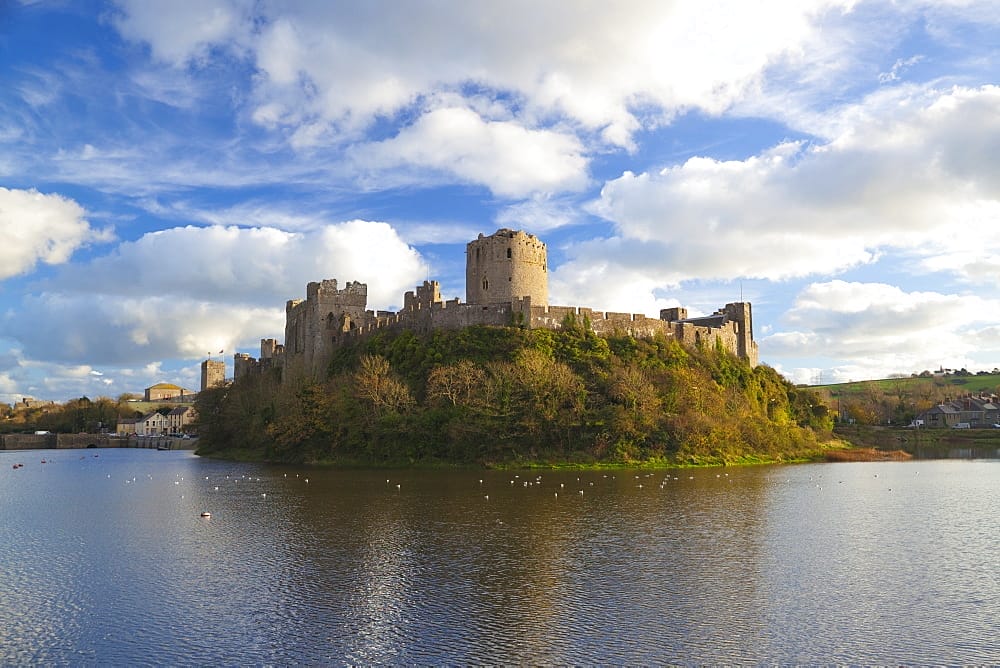
Pembroke Castle
With the first iteration of a castle structure built back in 1093 from timber, Pembroke Castle has more than its fair share of history to investigate. Henry VIII’s father – Henry VII – was born here and over the centuries the castle was attacked numerous times and was eventually left in a sorry state by Oliver Cromwell, all of which makes its largely intact current-day form even more impressive, as it still looks and feels like a ‘proper’ castle. Climb to the top of the keep for far-reaching views out across the coast, before descending into Wogan Cavern, a subterranean cave underneath the castle now known to hold links to prehistoric civilisations.
3 ESSENTIAL DAY TRIPS
Tenby
With several miles of golden sands, rows of bright houses and winding medieval roads filled with inviting shops and cafes, it’s impossible not to fall in love with this charming coastal town. History buffs will love tracing the medieval town walls that still run through it; foodies will savour the independent restaurants and cosy bars scattered around the streets; and everyone will love the achingly photogenic harbour and its beach – a focal point of any visit and beautiful in any season.
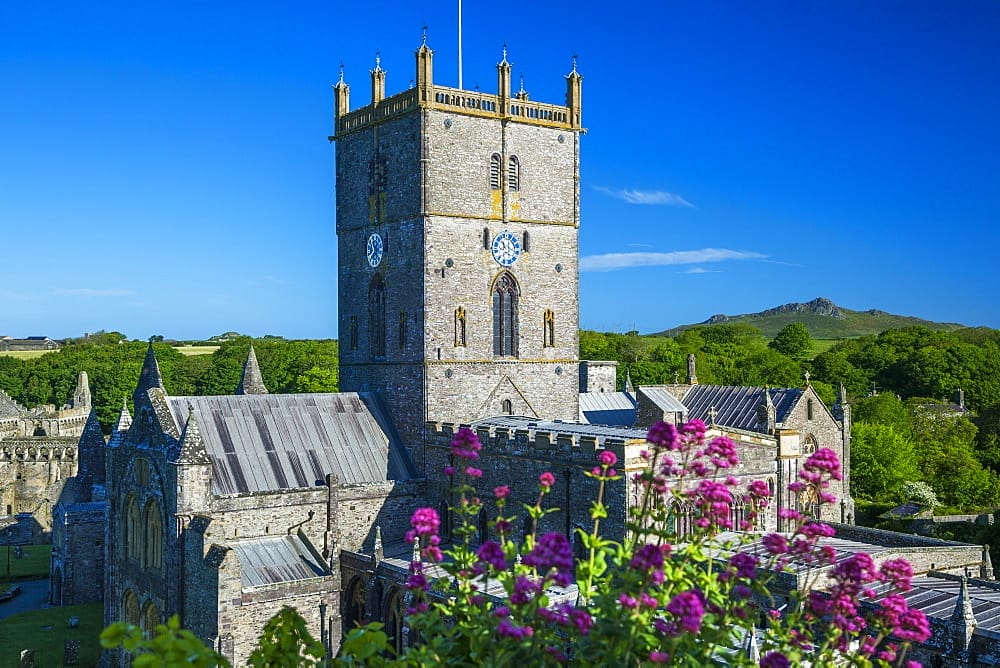
St David’s
It may be Britain’s smallest city (awarded city status in 1995), but the charm of St David’s is truly vast, as a stroll around its verdant streets quickly proves. Perhaps unsurprisingly given its size (population around 1,600) and rural location near the coast, it feels more like a town than a city, and an atmospheric, friendly one at that. Its magnificent 12th-century cathedral is what draws many visitors to St David’s, not least because it’s also home to a shrine honouring the patron saint of Wales, after whom the city is named.

Skomer
Thanks to a clutch of islands dotted around the coast, there are plenty of options for heading away from the mainland and Skomer – the largest – is perhaps the most enticing. Carpets of wildflowers give Skomer a healthy glow in spring and summer, but even outside these times, dramatic cliffs and colourful vegetation mean it’s still a stunning place. Most striking, though, are the 300,000 pairs of Manx shearwaters – probably the world’s largest colony. You’ll also see puffins, dolphins and seals.
WOULD YOU LIKE TO ENTER OUR COMPETITIONS?
Giveaways are only available to our Candis members so why not join today!
BECOME A MEMBER